Protecting New Jersey homes since 2007…

For many New Jersey homeowners, the crawl space is a “forgotten” area of the home until a musty odor or rising energy bills demand attention. However, what happens beneath your floorboards directly impacts the air you breathe in your living room. In the humid climate of the Garden State, an open or vented crawl space acts as a breeding ground for allergens and structural decay. At HealthyWay Waterproofing & Mold Remediation LLC, we specialize in crawl space encapsulation NJ to transform these damp voids into clean, dry, and healthy environments.
The Hidden Connection Between Your Crawl Space and Your Lungs
It is a common misconception that the air in your basement or crawl space stays put. In reality, your home behaves like a giant chimney. This phenomenon is known as the “Stack Effect.”
Understanding the “Stack Effect” in New Jersey Homes
As warm air rises and exits through your attic and upper floors, it creates a vacuum in the lower levels. This vacuum pulls air upward from your crawl space. Research suggests that up to 50% of the air on the first floor of a home originated in the crawl space. If that space is damp, filled with mold spores, or contaminated by pests, those pollutants are being pulled directly into your family’s breathing zone.
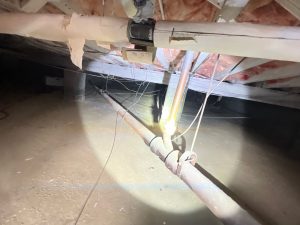
5 Warning Signs of Excessive Crawl Space Moisture
How do you know if your foundation is harboring a moisture problem? Look for these five red flags that indicate it’s time for professional intervention:
- Musty Odors: That “old house smell” is actually the off-gassing of mold and mildew colonies thriving in the dark.
- Sagging or Bouncy Floors: Excessive humidity softens wooden floor joists, leading to structural instability and “soft spots” in your hardwood or carpeted areas.
- Heightened Allergies: If family members experience increased asthma or allergy symptoms only while inside the home, airborne mold spores are the likely culprit.
- Condensation on Pipes: “Sweating” HVAC ducts or plumbing lines in the crawl space indicate that the humidity levels have reached a saturation point.
- Pest Infestations: Termites, silverfish, and rodents are drawn to moisture. A wet crawl space is an open invitation for wood-destroying organisms.
Why Traditional Vapor Barriers Often Fail in NJ’s Climate
Many older NJ homes have a simple plastic sheet thrown over the dirt floor. This is a basic vapor barrier, not encapsulation. In our high-humidity environment, these thin sheets often tear, shift, or trap water underneath, leading to stagnant pools. True crawl space encapsulation involves sealing the floor, walls, and pillars with a heavy-duty, multi-layered reinforced liner, effectively “plastic-wrapping” the entire foundation to create a permanent moisture seal.
The Benefits of Full Encapsulation: Health, Energy, and Home Value
Encapsulating your crawl space is one of the highest-ROI home improvements you can make. Beyond the immediate health benefits of improved indoor air quality, a sealed crawl space acts as a thermal break. This makes it significantly easier to heat and cool your home, often resulting in 15-20% savings on monthly utility bills. Furthermore, in the competitive New Jersey real estate market, a clean, dry, and warranted crawl space is a major selling point that protects your home’s structural integrity for decades.
The HealthyWay Approach to Decontamination and Sealing
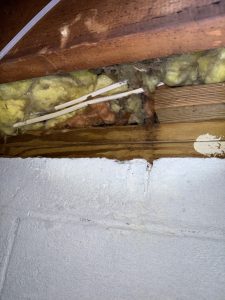
We don’t just cover up the problem. Our process begins with professional mold remediation to ensure no spores are trapped behind the new liner. We then address any drainage issues, such as installing a specialized sump pump if necessary, before installing our commercial-grade 20-mil vapor barrier. By treating the space as a “one-stop” engineering project, we guarantee a healthy home from the ground up.
Frequently Asked Questions (FAQ)
Q: How much does crawl space encapsulation cost in New Jersey?
A: While costs vary based on square footage and current moisture damage, most homeowners find that the investment pays for itself through reduced energy costs and the prevention of expensive structural rot or mold remediation later.
Q: Will encapsulation stop mold from returning?
A: Yes. Mold requires a moisture source and organic food (like wood) to grow. By removing the humidity and sealing out the damp earth, you eliminate the conditions mold needs to survive.
Q: How long does the encapsulation process take?
A: Most residential projects in NJ are completed within 2 to 4 days. This includes debris removal, decontamination, and the final installation of the sealing system.
Stop mold at the source and improve your home’s air quality. Don’t wait for a musty smell to become a health crisis. Contact HealthyWay Waterproofing & Mold Remediation LLC today for a comprehensive crawl space inspection and a customized moisture control plan. Call us now to protect your home and your health!