Frequently Asked Questions
How can I ensure my crawl space is properly encapsulated?
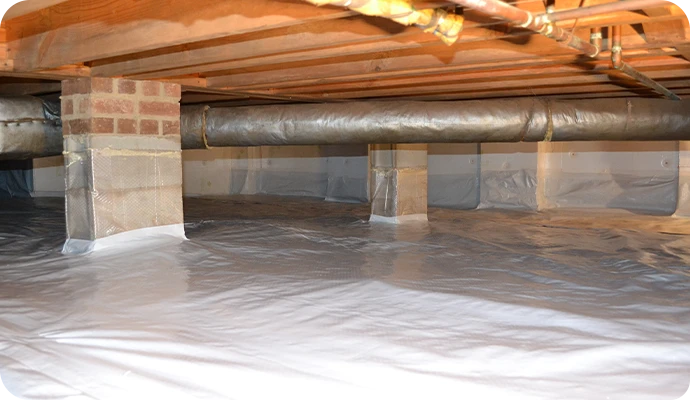
Ensuring your crawl space is properly encapsulated involves using a high-quality vapor barrier, sealing all vents and openings, and maintaining proper drainage. It's best to consult professionals for a comprehensive assessment and installation.
What are the benefits of crawl space encapsulation?
The benefits of crawl space encapsulation include improved indoor air quality, reduced moisture levels, and protection against mold and pests. This process enhances energy efficiency and prolongs the lifespan of your home’s structure by preventing water damage.
How does moisture affect my homes crawl space?
Moisture negatively affects your home's crawl space by promoting mold growth, wood rot, and structural damage, which can lead to costly repairs and health issues. Proper waterproofing and encapsulation are essential for maintaining a healthy crawl space.
What services do you offer for crawl space waterproofing?
The services we offer for crawl space waterproofing include professional assessments, installation of moisture barriers, encapsulation solutions, and drainage systems to effectively prevent water intrusion and maintain a healthy environment in your crawl space.
Why is it important to maintain a healthy crawl space?
Maintaining a healthy crawl space is crucial to prevent moisture-related issues that can lead to mold growth, structural damage, and poor indoor air quality. A well-maintained crawl space protects your home and enhances overall living conditions.
How can I tell if my crawl space needs encapsulation?
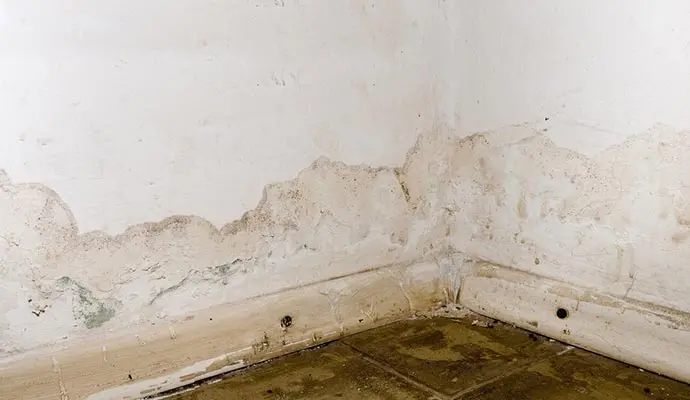
Signs that your crawl space needs encapsulation include excessive moisture, mold growth, musty odors, and visible water damage. If you notice these issues, it's essential to consult a professional for an assessment and effective solutions.
What materials are used for crawl space encapsulation?
The materials used for crawl space encapsulation include heavy-duty plastic sheeting, typically 10 to 20 mil thick, insulation boards, and sealants to create a moisture-resistant barrier that protects against humidity and mold.
How long does crawl space encapsulation last?
Crawl space encapsulation typically lasts between 15 to 30 years, depending on the materials used and the environmental conditions. Regular maintenance can help extend its lifespan and effectiveness in preventing moisture issues.
Can I encapsulate my crawl space myself?
You can encapsulate your crawl space yourself, but it requires careful planning and knowledge of the proper materials and techniques. Professional services ensure a thorough and effective job, reducing the risk of future moisture issues.
What signs indicate moisture in the crawl space?
The signs that indicate moisture in the crawl space include visible water pooling, damp or musty odors, mold growth, condensation on surfaces, and wood rot. These issues can compromise your home's structure and air quality.
How does encapsulation improve indoor air quality?
Encapsulation improves indoor air quality by sealing off the crawl space from outside moisture, dust, and allergens. This process reduces humidity levels and prevents mold growth, resulting in cleaner, healthier air circulating throughout the home.
What is the cost of crawl space encapsulation?
The cost of crawl space encapsulation varies based on factors like the size of the crawl space and specific moisture issues. Typically, homeowners can expect to pay between $5,000 to $15,000 for comprehensive encapsulation services.
Are there any maintenance requirements after encapsulation?
Maintenance requirements after encapsulation include periodic inspections for moisture and ventilation, ensuring the dehumidifier is functioning properly, and checking for any signs of pests or damage. Regular upkeep helps maintain a healthy crawl space environment.
How does encapsulation prevent mold growth?
Encapsulation prevents mold growth by creating a barrier that seals off the crawl space from moisture and humidity. This reduces the conditions that mold thrives in, ensuring a healthier environment in your home.
What is the process of crawl space waterproofing?
The process of crawl space waterproofing involves assessing the area for moisture issues, sealing any cracks, installing a vapor barrier, and ensuring proper drainage to prevent water accumulation, ultimately protecting your home from moisture-related problems.
How can I assess my crawl space condition?
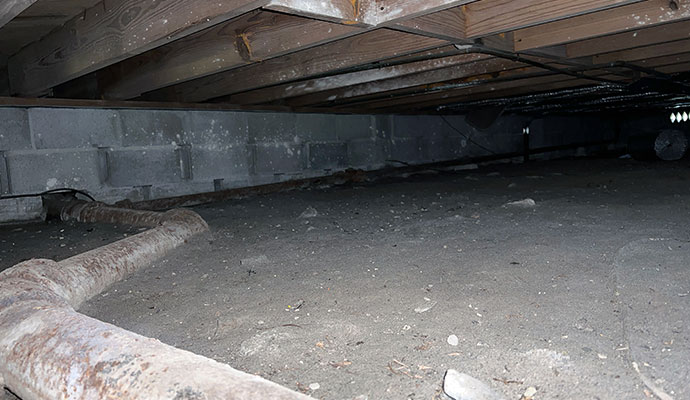
Assessing your crawl space condition involves checking for signs of moisture, mold, and structural damage. Look for water stains, musty odors, and inspect insulation for dampness to determine if professional help is needed.
What are the risks of an unencapsulated crawl space?
The risks of an unencapsulated crawl space include increased moisture levels, which can lead to mold growth, structural damage, and pest infestations. This can compromise the overall health of your home and its occupants.
How does encapsulation affect home energy efficiency?
Encapsulation significantly enhances home energy efficiency by creating a barrier that prevents moisture intrusion, thus maintaining consistent indoor temperatures. This reduces the workload on heating and cooling systems, leading to lower energy bills and a more comfortable living environment.
What is the best time for crawl space encapsulation?
The best time for crawl space encapsulation is during dry seasons, typically in spring or early fall, when humidity levels are lower. This ensures optimal conditions for sealing and protecting your crawl space from moisture-related issues.
Can encapsulation help with pest control?
Encapsulation can aid in pest control by creating a barrier that prevents moisture accumulation, which attracts pests. A dry, sealed crawl space reduces the likelihood of infestations, contributing to a healthier home environment.
What are common misconceptions about crawl space encapsulation?
Common misconceptions about crawl space encapsulation include the belief that it traps moisture and creates a humid environment, or that it is unnecessary in areas with low humidity. In reality, proper encapsulation prevents moisture buildup and enhances home health.
How do I choose a crawl space contractor?
Choosing a crawl space contractor involves evaluating their experience, checking customer reviews, and ensuring they offer comprehensive services like waterproofing and encapsulation. Always verify their licenses and warranties to ensure quality work.
What is the difference between encapsulation and waterproofing?
The difference between encapsulation and waterproofing lies in their approaches to moisture control. Waterproofing prevents water intrusion, while encapsulation involves sealing off the crawl space to manage humidity and moisture levels, creating a healthier environment.
How can I prepare my crawl space for encapsulation?
Preparing your crawl space for encapsulation involves clearing debris, ensuring proper drainage, and addressing any existing moisture issues. This creates an optimal environment for the encapsulation process, enhancing its effectiveness in preventing future moisture problems.
What are the environmental benefits of encapsulation?
The environmental benefits of encapsulation include reducing moisture levels, which helps prevent mold growth and improves indoor air quality. This process also enhances energy efficiency by maintaining stable temperatures, ultimately contributing to a healthier home and environment.
How does humidity impact crawl space health?
Humidity significantly impacts crawl space health by promoting mold growth, wood rot, and structural damage. High humidity levels can lead to poor air quality and increased allergens, making it essential to manage moisture effectively for a healthy home environment.
What should I expect during the encapsulation process?
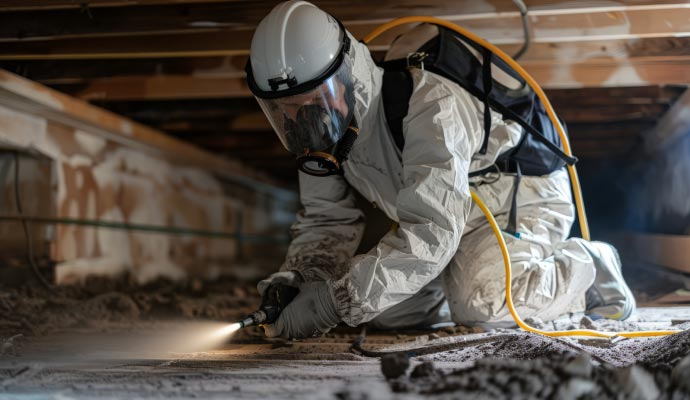
The encapsulation process involves sealing your crawl space with a durable vapor barrier, ensuring moisture control. Expect an assessment, thorough cleaning, installation of the barrier, and possibly additional drainage solutions for optimal protection against humidity and mold.
How can I improve ventilation in my crawl space?
Improving ventilation in your crawl space can be achieved by installing vents, using exhaust fans, and ensuring proper airflow through the space. Additionally, consider sealing any gaps to prevent moisture buildup and enhance air quality.
What are the long-term benefits of encapsulation?
The long-term benefits of encapsulation include improved air quality, reduced moisture levels, and prevention of mold growth, ultimately protecting your home’s structural integrity and enhancing energy efficiency.
How does encapsulation affect home resale value?
Encapsulation positively affects home resale value by enhancing the property's appeal and ensuring a healthier living environment. Buyers are often willing to pay more for homes with reduced moisture risks and improved air quality, making encapsulation a valuable investment.