
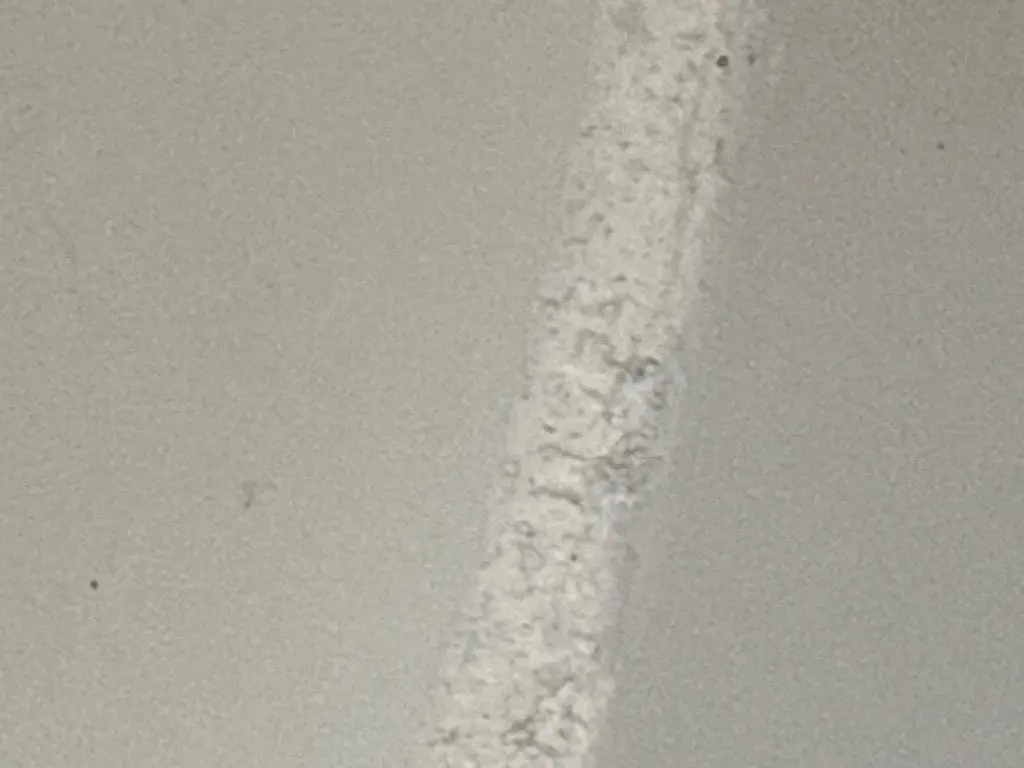
Foundation cracks are one of the most common concerns homeowners face in New Jersey. While some cracks may appear harmless, others can signal serious structural problems that should not be ignored. The challenge for many homeowners is knowing the difference between normal settling and warning signs of foundation damage.
Because New Jersey experiences heavy rainfall, freeze-thaw cycles, shifting soil conditions, and aging home foundations, foundation movement is a frequent issue throughout the state. Understanding which cracks are serious — and when to schedule a professional inspection—can help homeowners avoid expensive structural repairs and water damage in the future.
Why Foundation Cracks Are Common in New Jersey Homes
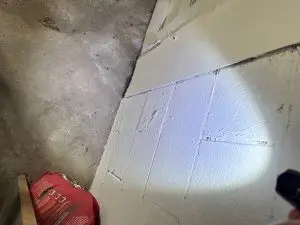
Several environmental factors contribute to foundation problems in New Jersey. Seasonal temperature changes cause soil to expand and contract throughout the year. During wet periods, the soil surrounding a foundation absorbs water and swells. During dry periods, it shrinks again.
This repeated movement places stress on foundation walls and basement floors over time. Older homes are especially vulnerable because many were built decades ago using construction methods and drainage systems that may no longer provide adequate protection.
Heavy rain and poor drainage can also increase hydrostatic pressure around the foundation, forcing moisture against basement walls and contributing to cracking and structural movement.
Different Types of Foundation Cracks Homeowners May Notice
Vertical Cracks
Vertical cracks are among the most common types of foundation cracks. In many cases, they result from normal settling as the home gradually adjusts to the soil beneath it.
Small vertical cracks may not indicate serious structural problems, but they can still allow water intrusion into the basement. If vertical cracks continue widening or begin leaking, they should be professionally inspected.
Horizontal Cracks
Horizontal foundation cracks are often more concerning. These cracks typically develop when hydrostatic pressure pushes against basement walls from the outside.
In some cases, horizontal cracks may indicate bowing or shifting walls, which can compromise the structural stability of the home. Immediate evaluation is usually recommended when horizontal cracks are present.
Stair-Step Cracks
Stair-step cracks are commonly found in brick, block, or masonry foundations. These cracks often follow the mortar joints in a stair-step pattern and may indicate uneven settlement or foundation movement.
If stair-step cracks continue expanding or appear alongside sticking doors and uneven floors, structural repairs may be necessary.
Floor Slab Cracks
Cracks in basement floors are relatively common and are sometimes caused by concrete shrinkage or settling. However, large, uneven, or widening floor cracks can indicate deeper soil movement or moisture-related issues beneath the slab.
Signs a Foundation Crack May Be Serious
Not all foundation cracks require major repairs, but certain warning signs should never be ignored.
- Cracks wider than 1/4 inch
- Horizontal or stair-step cracking
- Bowing basement walls
- Water leaking through cracks
- Doors and windows sticking
- Uneven or sloping floors
- Cracks that continue growing over time
These symptoms may indicate active structural movement or water pressure problems that require professional attention.
What Causes Serious Foundation Damage?
Poor Drainage Around the Home
Improper drainage is one of the leading causes of foundation stress. When rainwater collects near the home instead of draining away, the surrounding soil becomes saturated and places additional pressure on foundation walls.
Freeze-Thaw Cycles
New Jersey winters can contribute to foundation movement through freeze-thaw cycles. Water in the soil expands when frozen and contracts when temperatures rise, causing repeated stress on the foundation.
Hydrostatic Pressure
Hydrostatic pressure develops when groundwater accumulates around the foundation. Over time, this pressure can push against basement walls and lead to cracking, shifting, and water intrusion.
Tree Roots and Soil Movement
Large tree roots near the home can disrupt soil stability and contribute to uneven settlement. Expanding and shrinking soil conditions may also weaken foundation support over time.
Why Early Foundation Inspections Matter
Many foundation problems become more expensive the longer they are ignored. Small cracks can eventually lead to water damage, mold growth, structural instability, and costly repairs if the underlying issue is not addressed.
Scheduling an inspection early allows professionals to determine whether the crack is cosmetic, moisture-related, or structurally significant. Early intervention can often prevent more extensive repairs later.
Professional Foundation Repair Solutions
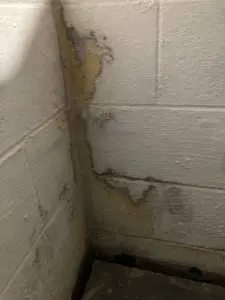
The right repair solution depends on the cause and severity of the problem.
Foundation Crack Repair
Professional crack sealing and injection methods help prevent water intrusion and further deterioration.
Carbon Fiber Reinforcement
Carbon fiber reinforcement systems are often used to stabilize bowing or weakened basement walls.
Drainage Improvements
Correcting exterior drainage problems helps reduce hydrostatic pressure and protect the foundation long-term.
Structural Reinforcement
In more advanced cases, structural repair systems may be necessary to stabilize and strengthen the foundation.
Protect Your Home Before Foundation Damage Gets Worse
Foundation cracks are common in New Jersey homes, but some may indicate more serious structural or moisture-related problems. Understanding the warning signs and scheduling a professional inspection early can help homeowners avoid larger repair costs and protect their property value.
HealthyWay Waterproofing & Mold Remediation provides professional foundation inspections and customized repair solutions for homeowners throughout New Jersey. Addressing foundation issues early can help keep your home safe, stable, and protected for years to come.
Frequently Asked Questions (FAQ)
Are all foundation cracks a sign of serious structural damage?
No. Some small vertical cracks may occur due to normal settling over time. However, horizontal cracks, widening cracks, or cracks accompanied by water intrusion or uneven floors may indicate more serious structural problems.
When should homeowners schedule a professional foundation inspection?
A professional inspection is recommended if cracks are wider than 1/4 inch, continue growing, allow water into the basement, or appear alongside bowing walls, sticking doors, or uneven floors.
Why are foundation cracks common in New Jersey homes?
New Jersey experiences heavy rainfall, freeze-thaw cycles, shifting soils, and seasonal moisture changes. These conditions can increase pressure around foundations and contribute to cracking over time.
Can foundation cracks cause basement leaks?
Yes. Even small cracks can allow moisture to enter the basement. Over time, water intrusion may lead to mold growth, humidity problems, and additional structural deterioration.
Are horizontal foundation cracks more dangerous than vertical cracks?
Often, yes. Horizontal cracks may indicate hydrostatic pressure pushing against foundation walls or structural movement. These cracks typically require faster professional evaluation.
What happens if foundation cracks are ignored?
Ignoring foundation cracks can result in worsening structural damage, water intrusion, mold issues, reduced property value, and significantly higher repair costs in the future.
How are serious foundation cracks repaired?
Repair methods vary depending on the cause. Solutions may include crack injection repair, carbon fiber reinforcement, drainage improvements, or structural stabilization systems.
Can poor drainage around my home damage the foundation?
Yes. Improper drainage allows water to collect near the foundation, increasing soil pressure and moisture exposure, which may eventually lead to cracking and structural stress.