Protecting New Jersey homes since 2007…

By Robert Lanfrank, Healthy Way Waterproofing
Basement water problems are common in New Jersey because of the state’s geography and climate. Many homeowners find dampness or standing water and want to know the cause and fix. This article explains common issues—like hydrostatic pressure and soil conditions—and outlines professional waterproofing solutions to keep your basement dry, plus practical prevention and maintenance tips to protect your home.
In New Jersey, seasonal rain, snowmelt, and areas with naturally high water tables increase the likelihood that water will collect around foundations. Older homes may have outdated drainage or settling that creates pathways for water. Early identification of moisture sources and targeted remediation reduces damage, improves indoor air quality, and prevents costly repairs later.
Key Takeaways
- New Jersey basements commonly leak due to hydrostatic pressure, foundation cracks, and expansive soil conditions.
- Hydrostatic pressure forces groundwater against basement walls, causing cracks and water seepage.
- Professional waterproofing solutions include interior drainage systems and sump pump installations to manage water intrusion.
- Foundation repair techniques like crack injection and piering stabilize structures and prevent water entry.
- Mold growth in damp basements poses health risks and requires professional remediation services.
- Regular maintenance of waterproofing and sump pump systems ensures effective long-term basement protection.
- Free professional inspections help identify basement vulnerabilities and enable timely waterproofing interventions.
- Investing in waterproofing enhances property value, living comfort, and reduces costly water damage risks.
- Advanced technologies like smart sump pumps provide efficient, cost-effective basement waterproofing solutions.
Use the takeaways above as a quick checklist: identify high-risk areas on your property, prioritize drainage and sump solutions, address foundation movement promptly, and schedule routine inspections. These steps reduce moisture exposure and preserve the structure and indoor environment of your home.
Common Causes of Basement Leaks in New Jersey:
Knowing the main causes of basement leaks makes prevention and repair more effective. Leaks often arise from a mix of environmental factors and construction issues that let water into homes.
What Are the Main Causes of Basement Leaks in New Jersey?
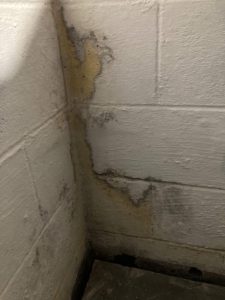 Common leak sources in New Jersey include:
- Hydrostatic Pressure: This occurs when excess groundwater exerts pressure on basement walls, leading to cracks and water seepage.
- Foundation Cracks: These can develop due to soil movement or settling, providing a pathway for water to enter.
- Soil Conditions: Expansive clay and poorly draining soils are prevalent in New Jersey, increasing the likelihood of flooding during heavy rains.
Recognizing these factors helps homeowners take targeted steps to keep basements dry.
Expanded explanation: hydrostatic pressure is most problematic where the ground around the foundation remains saturated for long periods—after prolonged rain or rapid snowmelt. Foundation cracks can be hairline or larger; even small fissures will admit water under sustained pressure. Soil that does not drain well holds moisture against foundations and can swell or shift seasonally, stressing walls and footings.
Practical signs to watch for include damp or discolored areas that appear after storms, efflorescence (white mineral deposits) on walls, persistent musty odors, and water pooling at a single seam or joint. Documenting when and where moisture appears helps professionals diagnose the source more quickly during an inspection.
Professional Waterproofing Solutions Available:
After identifying the source, professional waterproofing addresses it with tailored strategies based on your basement’s needs.
How Do Interior Drainage Systems Prevent Basement Flooding?
Interior drainage systems collect and redirect water away from the basement. They typically use a perimeter drain tile that channels water into a sump pump for removal.
More detail: an interior drainage system is usually installed at the base of the foundation wall where water is most likely to enter. The system captures seepage that penetrates the wall or travels along the floor joint, then directs it to a discharge point. These systems are effective when exterior excavation is impractical or when the structure already shows interior signs of seepage. Installation materials are selected to resist clogging and to function under continuous damp conditions.
What Role Do Sump Pump Systems Play in Wet Basement Repair in NJ?
Sump pumps stop water from accumulating by pumping out collected water from a sump basin, which greatly lowers flood risk. Many systems include battery backups to work during power outages. For more information on these vital systems, explore the range of sump pump systems .
Additional context: sump systems vary by capacity and design. Submersible pumps sit inside the basin and operate quietly, while pedestal pumps have a motor above the basin for easier service. Battery backup pumps or water-powered backups provide redundancy if the primary pump fails or if power is lost during storms. Proper installation also considers a clear discharge route away from the foundation so pumped water does not return to the house.
Homeowners should discuss pump size, expected flow rates, float switch types, and maintenance needs with their contractor. In higher-risk properties, dual-pump setups or alarm systems that warn of high water can prevent failures from becoming emergencies.
What Foundation Repair Techniques Address Water Seepage Issues in New Jersey Homes?
Foundation repairs can stop seepage. Common methods include:
- Crack Injection : A method where epoxy or polyurethane foam is injected into cracks to seal them and prevent moisture entry.
- Piering : Stabilizing the foundation by installing piers beneath it to address settling and reduce stress on the structure.
Proper foundation repair is crucial for a stable home. Healthy Way Waterproofing and Mold Remediation offers expert, property-specific solutions that deliver long-lasting results.
Expanded explanation: crack injection seals the pathway that water uses to enter and can restore structural continuity for small to medium cracks. The injection material is chosen based on whether the goal is structural repair (using epoxy) or flexible waterproofing (polyurethane). Piering relocates building loads to firmer soil or deeper strata and is used when settlement or shifting undermines the foundation. Both approaches are often combined with drainage improvements to manage water at the source.
How Does Mold Develop Due to Basement Leaks and What Are Mold Remediation Options in NJ?
Mold grows quickly in damp, poorly ventilated basements. Professional mold remediation removes existing growth and restores healthier indoor air quality.
Mold thrives where moisture remains uncontrolled. Effective remediation begins with stopping the water source, then isolating contaminated areas, safely removing affected materials when necessary, and cleaning or treating surfaces to eliminate spores. Technicians will also dry the structure thoroughly and recommend steps to reduce future moisture, such as improved ventilation or ongoing dehumidification.
What Are the Health Risks of Mold in New Jersey Basements?
Mold exposure can cause respiratory issues and allergic reactions. Treating basement mold protects your household’s health and safety.
More detail: individuals with asthma, allergies, or compromised immune systems may be especially sensitive to mold. Symptoms can include coughing, nasal congestion, throat irritation, and eye irritation. Long-term exposure to persistent damp conditions can worsen indoor air quality and contribute to ongoing health concerns. Addressing moisture and completing a professional remediation plan reduces these risks and restores a healthier indoor environment.
How Do Professional Mold Remediation Services Work in NJ?
Mold remediation usually starts with a thorough inspection, then containment and safe removal. Technicians also address moisture sources to prevent regrowth.
A remediation project typically includes an assessment of affected areas, testing or visual documentation when needed, containment to stop spores spreading, removal of unsalvageable materials, surface cleaning and disinfection, drying, and follow-up verification. Professionals provide recommendations to reduce humidity and minimize the likelihood of future outbreaks, such as sealing points where water intrudes and installing dehumidifiers where appropriate.
How Should New Jersey Homeowners Maintain Waterproofing and Sump Pump Systems Year-Round?
Regular maintenance keeps waterproofing and sump systems reliable. Homeowners should consider the following actions:
- Routine Inspections : Regular checks can help identify wear or damage in system components.
- Seasonal Maintenance Tasks : Clean gutters and downspouts, and ensure that drainage systems are clear of debris.
- Sump Pump Testing : Homeowners should test their sump pumps frequently to ensure proper functionality, especially before heavy rainfall.
These preventive steps help waterproofing systems perform reliably and lower the risk of leaks and water damage.
Expanded checklist: quarterly visual checks of the sump basin and pump; verify discharge lines are clear and that water is directed away from the foundation; inspect interior drainage covers and test float switches; clean gutters at least twice a year (spring and fall) and check downspout extenders; remove debris from window wells and ensure backfill slopes away from the house. Before winter, check that discharge lines will not freeze or cause backup, and confirm that battery backups are charged and in good condition.
When testing a sump pump, pour a bucket of water into the pit to trigger the float and confirm the pump activates and discharges water as expected. For battery backups, simulate a power loss if safe to do so and observe the secondary pump or backup system respond. Keep maintenance records and receipts to help contractors diagnose issues later and to document preventive measures for insurance or resale.
How Can Free Inspections from NJ Waterproofing Experts Help Homeowners?
Many companies offer free inspections to assess water intrusion risk and identify issues early, which is essential for effective remediation.
What to expect from an inspection: a technician will perform a visual survey of interior and exterior conditions, look for signs of active or past water entry, evaluate grading and drainage, check sump pump condition, and may use moisture meters or cameras to assess wall interiors. The inspector should provide a written summary of findings, recommended actions with priorities, and an estimate for repair options so homeowners can compare approaches and costs.
| Service | Description | Cost |
|---|---|---|
| Interior Drainage Systems | Install drain tiles to redirect water away from the interior | Varies by size |
| Sump Pump Installation | Install a sump pump to remove collected water | Typically $1,200-$5,000 |
| Crack Injection | Seal cracks in the foundation to prevent water entry | $300-$1,500 |
| Mold Remediation | Comprehensive mold removal and prevention services | Varies by extent |
Knowing typical costs and services helps homeowners choose appropriate waterproofing solutions for their basements.
Additional note on comparing estimates: ask each contractor whether quoted prices include permits, excavation (if needed), disposal of removed materials, warranty details, and post-installation testing. A thorough bid lists recommended steps and timelines so you can evaluate the scope of work rather than only the bottom-line price.
What Are the Costs and Benefits of Professional Waterproofing Solutions in New Jersey?
Professional waterproofing protects property value and prevents costly water damage. Costs vary by technique and project size, but long-term benefits—such as improved comfort and reduced health risks—often outweigh initial expenses.
Advanced options, like smart sump pumps with moisture sensors and alerts, offer cost-effective protection and peace of mind. Consult experts to tailor solutions to your home’s needs.
Expanded discussion: the upfront cost of professional waterproofing can be viewed as an investment that prevents recurring damage, mold remediation, and structural repairs. Effective waterproofing improves livability by reducing dampness and odors, preserves finishes and personal items stored in finished basements, and tends to reassure potential buyers if the property is sold. Consider warranty terms and the track record of the installer when assessing value.
Why Is Professional Inspection Essential for New Jersey Basements at Risk of Leakage?
Inspections uncover hidden weaknesses in basement structures so you can address issues before they escalate into larger problems.
Acting early prevents costly repairs. Free inspections from reputable services like Healthy Way Waterproofing and Mold Remediation can help maintain a safe living environment.
Keeping a dry, healthy basement protects your New Jersey home’s integrity and value. With a clear understanding of common leaks and proven waterproofing solutions, homeowners can take steps to safeguard their property.
Frequently Asked Questions
What are the signs of potential basement leaks?
Look for damp spots on walls or floors, peeling paint, or mould growth. Musty odours, higher humidity, water stains, or rust on fixtures can also indicate moisture problems. Spotting these signs early lets you address issues before they worsen.
Additional signs to monitor include bubbling or flaking paint, slowly spreading discoloration that appears after rain, and any new cracks near corners or window wells. Keep a log of when problems appear (e.g., after heavy rain, during thaw) to help identify whether the issue is seasonal, related to specific storms, or continuous.
Can basement leaks lead to structural damage?
Yes. Ongoing leaks can weaken foundations, cause cracks and settlement, and erode soil under footings. If left unaddressed, leaks can compromise a home’s structural integrity. Regular inspections and timely waterproofing help protect the structure.
When water undermines supporting soils or constantly soaks masonry, repair needs become more extensive and costly. Early waterproofing, proper drainage, and structural stabilization limit progressive damage and keep repair scopes manageable.
How often should homeowners have their basement waterproofing systems inspected?
Have systems professionally inspected at least once a year, and after heavy rain or flooding, to catch weaknesses early and ensure everything works properly.
In addition to annual professional checks, perform basic homeowner tests quarterly: verify pump operation, inspect visible drainage, and clear debris. After any major storm or after prolonged wet periods, schedule an expedited check if you notice new moisture or odors.
What DIY measures can homeowners take to prevent basement leaks?
DIY steps include grading soil away from the foundation, cleaning gutters and downspouts, sealing visible foundation cracks with waterproof caulk, and installing window well covers. Thoughtful landscaping can also keep water away from the basement.
Additional homeowner actions: extend downspouts at least several feet from the house, maintain a slope of soil away from the foundation, avoid planting large trees too close to the foundation line, and use gravel or drain rock in window wells to improve local drainage. While DIY measures help, persistent seepage often requires professional evaluation.
What is the average cost of waterproofing a basement in New Jersey?
Costs vary by solution and basement size. Basic interior drainage systems can start around $1,200, while comprehensive setups like sump pump installations often range from $1,200 to $5,000 or more. Get professional estimates for precise pricing.
Keep in mind that quotes may differ based on whether exterior excavation is needed, the extent of foundation repair required, material choices, and permitted work. Consider the long-term warranty and the comprehensiveness of the proposed solution when comparing bids.
What maintenance is required for sump pumps?
Check and clean the pump and discharge line regularly. Test the pump by pouring water into the pit to confirm activation. Inspect the power supply and backup battery annually to ensure operation during emergencies.
A simple maintenance routine includes clearing the intake screen or grate, verifying the float moves freely, checking the check-valve on the discharge line, and ensuring the discharge outlet is unobstructed. Replace batteries in backup units according to manufacturer recommendations and keep manuals and service receipts handy for reference.
Conclusion
A dry basement preserves your home’s value and health. Understanding causes like hydrostatic pressure and foundation issues helps you choose the right remediation. Free inspections can reveal vulnerabilities early—addressing them now provides lasting protection and greater living comfort.
Final recommendations: document any moisture events, schedule an inspection if you see persistent or recurring dampness, keep gutters and grading well maintained, and consider professional waterproofing where DIY measures do not fully resolve the problem. With timely action and proper maintenance, New Jersey homeowners can reduce the risk of basement leaks and the associated impacts on property and health.