Protecting New Jersey homes since 2007…

What to do when your primary defense fails mid-storm, and how to secure immediate local relief before water claims your property.
It is the scenario every New Jersey homeowner dreads: a torrential seasonal downpour is hammering your neighborhood, the ground is completely saturated, and you hear the sudden, ominous silence of a dead sump pump. Within minutes, water begins rising from the basin, threatening to destroy finished basement walls, mechanics, and valuable personal property. When a pump fails during a critical weather event, you do not have days or even hours to weigh your options—you need an emergency strategy to stop a catastrophic basement flood.
Sump pumps are the literal heart of a subterranean waterproofing system. In New Jersey’s diverse geographical regions—from the high water tables of coastal South Jersey to the dense, clay-heavy basins of North Jersey—these mechanical systems work tirelessly to intercept rising groundwater and channel it safely away from your foundation. Recognizing the early warning signs of mechanical failure and knowing exactly how to handle a midnight emergency can save you tens of thousands of dollars in structural restoration costs.

Anatomy of a Sump Pump Failure: Why Systems Die Mid-Storm
Sump pumps rarely fail when it is sunny outside. Instead, they give out under maximum stress, when heavy rain forces them to cycle continuously for hours at a time. The most common triggers for a sudden, catastrophic breakdown include:
- Electrical Switch Failure: The float switch, which moves up and down with the water level to turn the pump on and off, is the most fragile mechanical component. Over time, it can drift, become trapped against the basin wall, or experience electrical burnout, leaving the pump completely unresponsive.
- Motor Burnout: Cheap, plastic, or underpowered retail pumps often overheat when forced to run continuously during a major storm. High-quality pumps utilize cast-iron housings to dissipate heat safely, whereas lower-grade models quickly burn out their internal capacitors.
- Debris Impeller Clogs: If your sump basin lacks a tight, secure lid, small stones, dirt, or loose basement debris can fall into the pit. The spinning impeller can easily suck up these objects, instantly jamming the mechanism and causing the motor to seize.
The Emergency Diagnostic Checklist
Before panicking, run through these rapid diagnostic troubleshooting steps to check if a simple mechanical fix can buy you enough time before an emergency replacement team arrives:
| Troubleshooting Check | Immediate Action | Expected Result |
|---|---|---|
| Power Verification | Check if the breaker tripped or if the GFCI outlet needs a manual reset. | Restores electrical current directly to the motor. |
| The Piggyback Test | Unplug the pump from the back of the float switch plug and plug it directly into the wall. | Bypasses a broken switch to force the pump to run continuously. |
| Float Obstruction | Reach into the basin and manually lift the float arm up. | Clears stuck components or debris binding the switch mechanism. |
| Check Valve Inspection | Tap the vertical discharge pipe to ensure the internal flap isn’t stuck closed. | Allows trapped, pressurized water to escape the basement. |
The Long-Term Cure: Upgrading to Dual-Pump Systems
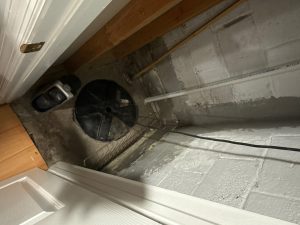
If your primary pump is dead, an emergency replacement will get you through the night, but true peace of mind requires structural redundancy. Relying on a single, lone pump plugged into standard house power means you are always one electrical outage away from a total flood. New Jersey storms regularly knock out overhead power grids, rendering even a brand-new primary pump completely useless.
A resilient waterproofing system should feature a battery backup auxiliary pump installed directly alongside your primary unit in the basin. If the main power cuts out, or if the primary pump fails to keep up with historic water volume, the backup system automatically switches on using heavy-duty, marine-grade batteries. Advanced systems even feature smart monitoring apps that text your phone the moment your primary system drops offline, ensuring you are never caught off guard.
The Bottom Line
A failing sump pump during a New Jersey storm is a genuine property emergency. Knowing how to bypass a faulty switch can save your basement in the short term, but old, unreliable equipment should be replaced immediately by a certified professional before the next major weather system rolls through.
Is your sump pump making strange noises, cycling constantly, or completely dead? Do not wait for water to rise above your ankles. Contact HealthyWay Waterproofing & Mold Remediation LLC right now to dispatch our emergency, in-house technical team for an immediate, heavy-duty sump pump replacement.