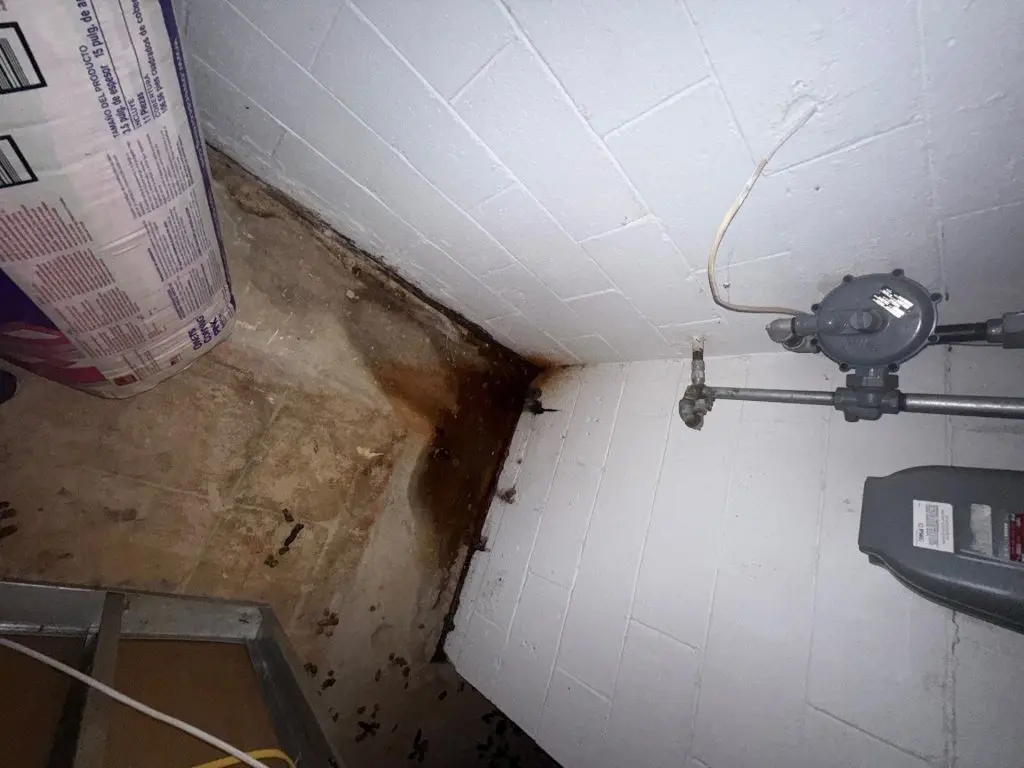
Finding dark or black-colored mold inside your home can be concerning, especially when it appears after a leak, flooding, or persistent moisture problem.
In New Jersey, humid summers, heavy rainfall, damp basements, crawl spaces, roof leaks, and poorly ventilated areas can create conditions where indoor mold grows quickly. One species commonly associated with the term “black mold” is Stachybotrys chartarum, a greenish-black mold that can grow on moisture-damaged materials such as drywall, fiberboard, and paper.
However, not every dark-colored mold is Stachybotrys, and appearance alone cannot reliably identify a mold species.
More importantly, any visible indoor mold is a sign that excess moisture is present and should be addressed.
If you discover mold in your basement, attic, crawl space, or another part of your home, HealthyWay provides professional mold remediation in New Jersey designed to address both the contamination and the moisture conditions contributing to it.
What Is Black Mold?
The term “black mold” is often used to describe Stachybotrys chartarum, but many indoor molds can appear black, dark green, brown, or gray.
According to the CDC, Stachybotrys chartarum typically grows on materials containing cellulose when those materials remain wet because of leaks, flooding, condensation, or other persistent moisture problems.
Common areas where homeowners may discover mold include:
- Water-damaged drywall or ceilings
- Basement walls and framing
- Areas surrounding plumbing leaks
- Crawl spaces with high humidity
- Attics affected by roof leaks or condensation
- Areas behind walls following flooding
- Damp insulation and other porous materials
The most important issue is not necessarily identifying the exact species—it is locating and correcting the moisture source that allowed mold to grow.

What Does Black Mold Look and Smell Like?
Stachybotrys chartarum is commonly described as greenish-black, but color alone cannot confirm what type of mold is present.
Homeowners may notice:
- Dark green, black, brown, or gray discoloration
- Patchy or irregular growth
- Damp or deteriorated drywall
- Water staining around affected materials
- A persistent musty or earthy odor
Sometimes mold is hidden behind finished walls, beneath flooring, around plumbing penetrations, or inside areas that have experienced previous water damage.
If you smell a strong musty odor but cannot identify the source, a professional inspection may help determine whether hidden moisture or mold is present.
Can Black Mold Affect Your Health?
Exposure to damp or moldy environments can affect people differently.
According to the CDC, some people exposed to mold may experience symptoms such as:
- Stuffy nose
- Sore throat
- Coughing
- Wheezing
- Red or itchy eyes
- Skin irritation or rash
People with asthma or mold allergies may experience stronger reactions, while individuals with weakened immune systems or chronic lung conditions may face additional risks.
It is important to avoid assuming that headaches, fatigue, breathing problems, or other symptoms are automatically caused by “toxic black mold.” CDC specifically notes that symptoms associated with Stachybotrys chartarum are nonspecific and that no test currently proves that exposure to this mold causes a particular set of symptoms.
If you are experiencing persistent respiratory or other health symptoms, consult a healthcare professional for appropriate medical evaluation.
Why Moisture Control Is the Key to Mold Removal
Mold remediation is not simply about removing visible discoloration.
The underlying moisture problem must also be corrected.
EPA describes moisture control as the key to mold control. Plumbing leaks, groundwater intrusion, roof leaks, condensation, flooding, and elevated humidity can all allow mold to return if the source is not addressed.
That means effective remediation may involve more than cleaning a contaminated surface.
Depending on the source, your home may also need:
- Basement waterproofing
- Crawl space moisture control
- Leak repairs
- Improved ventilation
- Dehumidification
- Sump pump improvements
- Foundation drainage corrections
If mold is connected to a damp or leaking basement, HealthyWay also provides basement waterproofing solutions designed to help manage the moisture conditions that contribute to recurring mold.
Why DIY Mold Removal Can Make the Problem Worse
Small areas of surface mold may sometimes be manageable by homeowners, but larger or hidden contamination can require professional remediation.
One common mistake is relying on bleach alone.
EPA does not recommend chlorine bleach as a routine mold-cleanup method. Killing mold is not enough because dead mold may still trigger allergic reactions, and contaminated material must also be properly cleaned or removed.
Porous materials present another challenge.
Materials such as drywall, insulation, carpeting, and ceiling tiles can absorb moisture and allow mold to penetrate below the surface. EPA notes that moldy porous materials may sometimes need to be discarded because complete removal can be difficult or impossible.
Disturbing larger mold colonies without adequate precautions can also release spores and contaminated dust into surrounding areas.
That is why professional containment and controlled removal can be important when contamination is extensive.
How Professional Mold Remediation Works
A professional mold remediation project should focus on containing affected areas, removing contaminated materials when necessary, cleaning salvageable surfaces, and correcting the source of moisture.
At HealthyWay Waterproofing & Mold Remediation LLC, the remediation process may include:
1. Inspection and Moisture Detection
The first step is identifying visible and hidden moisture conditions that may be supporting mold growth.
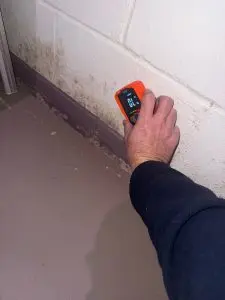
Moisture meters, visual inspection, and other diagnostic tools can help determine the extent of water intrusion and affected materials.
2. Containment of the Work Area
Containment helps prevent contaminated dust and spores from spreading into unaffected areas while remediation work is underway.
Depending on the size and location of the project, this may include physical barriers and controlled airflow.
3. Removal of Contaminated Materials
Materials that cannot be adequately cleaned—such as heavily contaminated drywall, insulation, or other porous materials—may need to be carefully removed.
EPA guidance similarly recognizes that mold-contaminated porous materials can sometimes be difficult or impossible to clean completely.
4. HEPA Cleaning and Surface Treatment
Remaining surfaces can be cleaned using appropriate remediation methods.
EPA guidance recognizes HEPA vacuuming as a useful final cleanup method after contaminated materials have been removed and surfaces have been properly dried.
5. Correcting the Moisture Source
This is one of the most important steps.
If the underlying leak, humidity problem, drainage issue, or water intrusion is not corrected, mold can return.
HealthyWay can evaluate whether the property also requires basement waterproofing, crawl space services, or related moisture-control solutions.
When Should You Call a Mold Remediation Professional?
Professional evaluation is particularly useful when:
- Mold covers a large area
- Contamination continues returning after cleaning
- Mold is growing inside walls or other concealed areas
- The home experienced flooding or prolonged water damage
- Porous materials such as drywall or insulation are heavily affected
- Mold is connected to an ongoing basement or crawl space moisture problem
- Occupants have asthma, allergies, chronic lung conditions, or weakened immune systems
EPA also recommends considering an experienced professional if you believe there may be hidden mold inside the property.
Frequently Asked Questions About Black Mold in New Jersey
Is all black-colored mold toxic?
No. Many types of indoor mold can appear dark or black. You cannot reliably determine the species—or its potential health impact—based on color alone. CDC recommends addressing all indoor mold by removing the growth and correcting the moisture problem.
Is Stachybotrys chartarum dangerous?
Stachybotrys chartarum is a mold capable of producing mycotoxins under certain conditions, but CDC notes that the mold itself should be treated similarly to other indoor molds. Exposure can be associated with nonspecific symptoms, and persistent health concerns should be evaluated by a medical professional.
Can I remove black mold with bleach?
Bleach is not recommended by EPA as a routine mold-cleanup method. Mold must be physically removed, contaminated porous materials may need replacement, and the moisture source must be corrected to help prevent regrowth.
Why does mold keep coming back after I clean it?
Recurring mold usually indicates that excess moisture is still present. Common causes include basement water intrusion, plumbing leaks, crawl space humidity, condensation, roof leaks, or poor drainage.
Should moldy drywall be replaced?
Sometimes. Because drywall is porous, mold can penetrate into the material and may be difficult to remove completely. EPA notes that mold-contaminated porous materials may need to be discarded depending on their condition.
Do I need mold testing before remediation?
Not always. CDC notes that there are no health-based standards for mold in indoor air and does not recommend routine air sampling during building evaluations. In many situations, visible mold and an identified moisture problem are enough to justify corrective action.
Can basement water problems cause mold?
Yes. Persistent leaks, groundwater intrusion, elevated humidity, and condensation can create the damp conditions mold needs to grow. Addressing basement moisture is therefore an important part of preventing recurring mold.
Does HealthyWay provide mold remediation throughout New Jersey?
HealthyWay provides mold remediation and moisture-control services across a broad New Jersey service area, including Bergen, Burlington, Essex, Hudson, Hunterdon, Mercer, Middlesex, Monmouth, Morris, Ocean, Passaic, Somerset, Sussex, Union, and Warren counties.
You can view HealthyWay’s complete New Jersey service area to confirm coverage in your community.
Protect Your Home by Addressing Mold and Moisture Together
Visible mold is usually only part of the problem.
The long-term solution is identifying why the area became wet, removing contaminated materials safely, and correcting the moisture conditions that allowed mold to grow in the first place.
HealthyWay Waterproofing & Mold Remediation LLC provides professional mold remediation throughout New Jersey along with basement waterproofing, crawl space moisture control, and related services that help address both mold contamination and its underlying source.
If you have discovered visible mold, persistent musty odors, water damage, or recurring moisture in your basement, attic, or crawl space, the sooner the problem is evaluated, the easier it may be to prevent additional damage.
Concerned about mold in your New Jersey home?
Request a Professional Mold Inspection or call (732) 936-1111 to speak with HealthyWay about mold remediation and moisture-control solutions in your area. The current HealthyWay Service Areas page lists this as the site’s primary call-to-action phone number.