Protecting New Jersey homes since 2007…

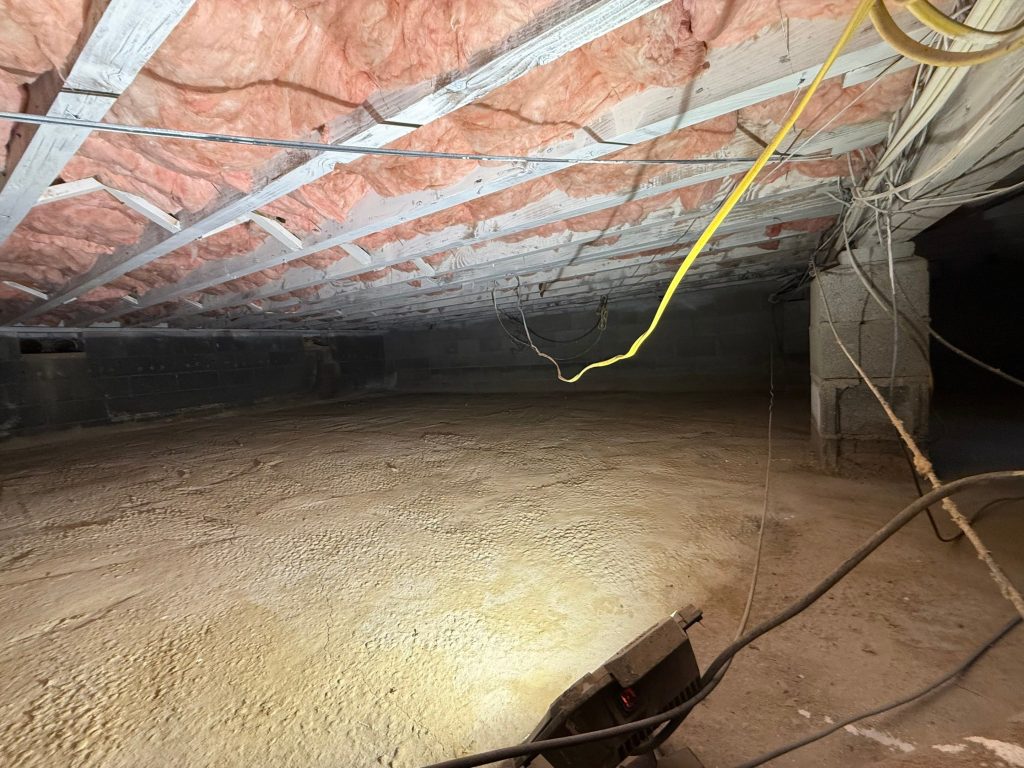
For many New Jersey homeowners, the crawl space under their house is a dark, forgotten area. However, what happens in your crawl space directly affects the health, air quality, and structural integrity of your entire home. Traditional vented crawl spaces were once thought to promote airflow, but modern building science proves that open vents in New Jersey’s humid climate actually trap moisture, accelerate wood rot, and encourage mold growth.
Crawl space encapsulation transforms a damp, dirty under-house cavity into a clean, dry, energy-efficient foundation. If you are experiencing cold floors, high energy bills, or musty odors in your living area, sealing your crawl space is one of the most impactful home improvement investments you can make.
What Is Crawl Space Encapsulation?
Crawl space encapsulation is the process of completely sealing the crawl space floor and foundation walls with a heavy-duty, multi-layer vapor barrier. This creates a clean, conditioned space separated from soil moisture and outdoor air infiltration.
Unvented Sealed Crawl Spaces vs. Legacy Vented Foundations
Legacy building codes required open foundation vents to let moisture escape. In New Jersey, warm, humid summer air enters cool crawl spaces, where it cools down and reaches its dew point. This condensation soaks into floor joists, insulation, and subflooring. Encapsulation seals off these vents, controlling indoor humidity year-round.
Primary Symptoms That Your Crawl Space Requires Moisture Control
Because the crawl space lies directly beneath your living area, elevated moisture levels generate clear warning signs throughout the home:
- Buckling or Cupping Hardwood Floors: Excess humidity rising from the subfloor forces hardwood planks to warp, cup, or squeak.
- High Indoor Humidity & Musty Odors: A distinct damp smell on the first floor, accompanied by heavy air and high air conditioning load.
- Pest Infestations: Damp wood and dark soil attract termites, carpenter ants, rodents, and silverfish under the house.
- Sagging Insulation: Wet fiberglass batt insulation pulling away from subfloor joists and falling to the dirt floor.
Core Elements of a Complete Crawl Space Encapsulation System
A high-performance encapsulation system relies on several integrated components working together:
1. Heavy-Duty Antimicrobial Vapor Barrier
Standard thin plastic sheeting tears easily and degrades. Professional encapsulation uses reinforced, 12-mil to 20-mil puncture-resistant vapor barriers installed across 100% of the ground and wrapped up the foundation walls to seal out soil gases and groundwater vapor.
2. Thermal Wall Insulation Panels
Rigid foam insulation panels mounted along the interior foundation walls prevent exterior cold weather from chilling your floor structure, saving significant heating energy during New Jersey winters.
3. Commercial Low-Temperature Dehumidifier

Even with a continuous vapor barrier, ambient moisture can enter through human access doors or masonry. A dedicated, self-draining crawl space dehumidifier maintains relative humidity below 50% automatically.
4. Sub-Floor Drainage Channels & Sump Pump
If your crawl space experiences active standing water during heavy rain, an interior perimeter French drain system and cast-iron sump pump are installed beneath the vapor barrier to collect and discharge bulk groundwater away from the foundation.
Energy Efficiency Gains and Structural Longevity
By sealing the crawl space, you eliminate the “Stack Effect”—a phenomenon where warm air escaping through your roof draws damp, dirty crawl space air up into your kitchen, living room, and bedrooms. Encapsulation can lower heating and cooling utility expenses by 15% to 25% while extending the operational lifespan of floor framing and HVAC equipment.
Frequently Asked Questions (FAQ)
Is it safe to seal foundation vents in New Jersey during winter?
Yes. Modern building science confirms that sealing vents prevents humid outdoor air from condensing on cold joists during summer and eliminates freezing drafts that chill subfloors and water pipes during winter.
How long does a heavy-duty crawl space vapor barrier last?
Commercial-grade 20-mil multi-layer reinforced vapor barriers are engineered to withstand foot traffic, puncture threats, and soil chemical exposure for over 20 years without degrading.
Can encapsulating a crawl space correct sagging floor joists?
Encapsulation halts ongoing wood rot by regulating environmental humidity. However, if structural joists are already damaged or sagging, heavy-duty adjustable jack posts must be installed alongside the vapor barrier to stabilize and level the floor structure.
Take Action Today: Transform your damp crawl space into a clean, dry, energy-efficient foundation.
Contact HealthyWay Waterproofing & Mold Remediation at (732) 795-5721 to schedule your on-site crawl space evaluation today!