
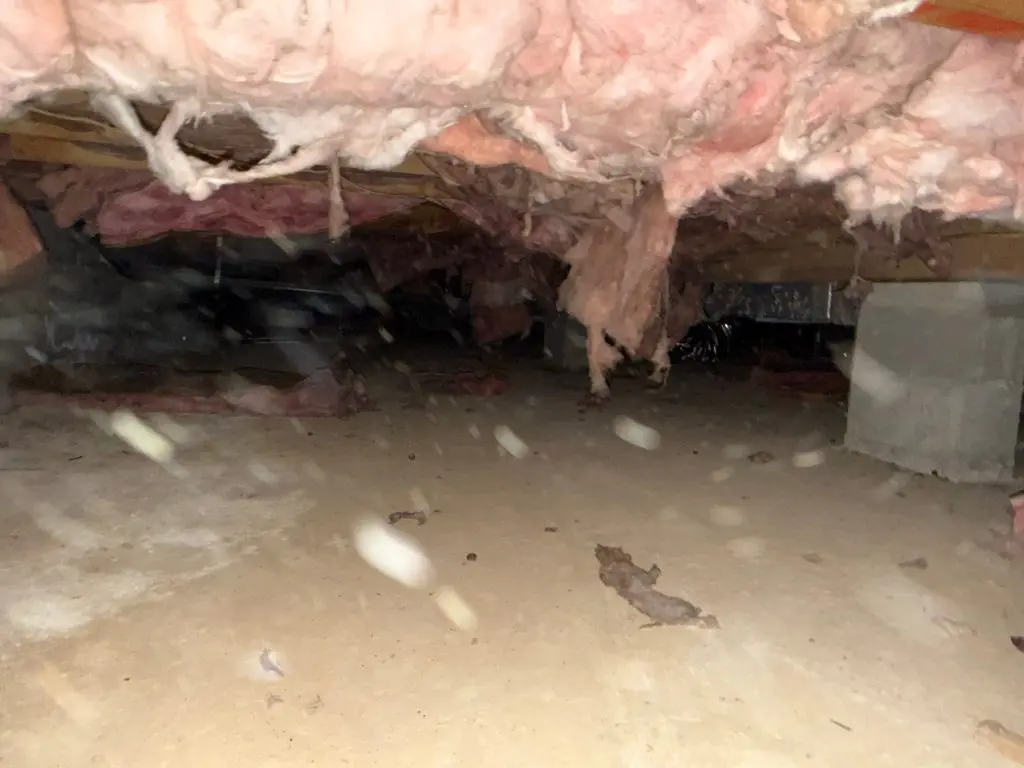
For many New Jersey homeowners, the crawl space beneath their living room is out of sight and out of mind. However, what happens in your crawl space directly impacts the air quality, energy efficiency, and structural integrity of your entire home. In New Jersey’s coastal and suburban regions—where high humidity, heavy rainfall, and elevated water tables are commonplace—unsealed, dirt crawl spaces often transform into breeding grounds for mold, wood decay, and indoor air pollution.
Transitioning a damp, open-vented crawl space into a clean, dry, conditioned environment requires a comprehensive solution: crawl space encapsulation. Understanding how encapsulation works and how it protects your health and home investment is essential for long-term property maintenance.
The Hidden Threat Under Your Feet: Why Unsealed Crawl Spaces Fail
Traditional New Jersey home design relied on open crawl space vents under the assumption that outside air would flow through and dry out the space below the first floor. In humid Mid-Atlantic climates, this design fundamentally fails.
During spring and summer, warm, moisture-laden outdoor air flows through foundation vents into the cool subterranean crawl space. As this air cools, its relative humidity rises rapidly until it reaches the dew point, resulting in heavy condensation on floor joists, ductwork, and subflooring.
This perpetual moisture triggers two major home distress issues:
- The “Stack Effect”: As warm air naturally rises and escapes through your attic, it creates a vacuum that pulls air upward from lower levels. Up to 50% of the air you breathe on your first floor originates directly from your crawl space, bringing soil gases, odors, and fungal spores into your living areas.
- Subfloor Structural Decay: Continuous condensation feeds wood-rotting fungi (like Serpula lacrymans), causing floor joists to weaken, sag, and fail over time.
Signs Your Crawl Space Needs Immediate Intervention
You don’t need to crawl under your home to know there is a moisture problem. Common warning signs in your living quarters include:
- Buckling or Cupping Hardwood Floors: Subflooring absorbs moisture from below, causing wood planks to swell and warp.
- Persistent Musty Odors: Earthy, damp smells rising through floorboards or HVAC air supply registers.
- Unusually High Energy Bills: Humid air takes significantly more energy to cool in summer, straining your air conditioning system.
- Cold First-Story Floors in Winter: Drafty crawl space vents allow freezing air to chill floorboards directly beneath your feet.
The Anatomy of a Fully Encapsulated Crawl Space System
True crawl space encapsulation is not a simple plastic sheet laid across the dirt. It is an engineered, sealed environment created through a multi-step installation process:
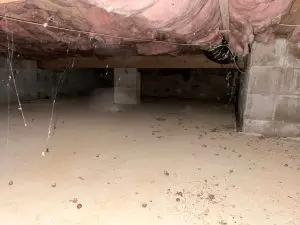
- Water Management & Drainage: Any active standing water or hydrostatic pressure is managed by installing an interior perimeter drain tile system routed to a sealed sump pump pit.
- 20-Mil Reinforced Vapor Barrier: Heavy-duty, fiber-reinforced polyethylene liner is laid across the entire dirt floor, wrapped around foundation piers, and permanently sealed up foundation walls.
- Sealing Vents & Penetrations: Exterior air vents, rim joists, and foundation gaps are air-sealed using rigid foam insulation and expanding polyurethane spray foam to stop outdoor air infiltration.
- Structural Stabilization (If Needed): Weakened floor joists are jacked up and supported with heavy-duty steel pier jacks.
- Dedicated Dehumidification: A commercial-grade, energy-efficient crawl space dehumidifier is installed to maintain relative humidity strictly below 50%, permanently suppressing mold growth.
Frequently Asked Questions
Should I vent my crawl space in New Jersey during the summer?
No. Opening foundation vents during humid New Jersey summers introduces hot, moist air that condenses on cooler floor joists and subflooring, triggering rapid mold growth and structural wood rot. Vents should be permanently sealed.
How long does a 20-mil crawl space vapor barrier last?
Commercial-grade 20-mil fiber-reinforced vapor barriers are tear-resistant and engineered to last a lifetime when professionally installed and sealed against foundation walls.
Will crawl space encapsulation fix cold floors in the winter?
Yes. By permanently sealing exterior vents and insulating foundation walls, cold winter winds can no longer circulate beneath your floorboards, dramatically increasing foot comfort on your first story.
Eliminate Damp Odors and Cold Floors Today.
Call HealthyWay Waterproofing & Mold Remediation today at (732) 795-5721 to schedule your professional crawl space and indoor air quality inspection across Monmouth, Ocean, Middlesex, Morris, and surrounding New Jersey counties.